Proudly serving Phoenix, Mesa, Glendale, Scottsdale, Tempe, Chandler & surrounding areasCall or Text 24/7: 602-449-8143
Aerial view of residential neighborhoods, desert washes, and low-rise buildings in Phoenix, AZ.

Fire Alarm Inspection & Testing: Smoke Detectors, Notification & Compliance in Phoenix, AZ

Phoenix Fire Alarm Systems provides fire alarm inspection and testing for commercial and residential properties in Phoenix, Arizona. We inspect conventional and addressable fire alarm systems, including smoke detectors, heat detectors, pull stations, and duct detectors. Functional testing confirms that initiating devices report to the panel and that horns, strobes, voice evacuation, and mass notification functions respond as intended. Each visit also includes documentation that property owners can use for compliance follow-up.

Phoenix heat and monsoon dust can shorten the service life of detection equipment without an obvious panel warning. Attic spaces can exceed 140 degrees, accelerating standby-battery degradation. Dust can pack smoke-sensing chambers, while thermal expansion can loosen conduit connections in unconditioned mechanical rooms. Device-level testing helps uncover these conditions before a weak component compromises the alarm response.

Our NICET-certified technicians follow NFPA 72 and the Phoenix Fire Code, with inspection reports, device-by-device results, and written deficiency notices provided after testing.

Phoenix Fire Alarm Systems provides fire alarm inspection and testing throughout Phoenix and the surrounding metro, including Mesa, Chandler, Scottsdale, Tempe, and Glendale.

★ ★ ★ ★ ★4.9/5 Average Rating · 20+ Years of Experience · Thousands of Customers Helped · Licensed & Insured · Residential & Commercial

Phoenix Fire Alarm Inspection & Testing

What Does a Fire Alarm Inspection Cover?

The inspection begins with a physical walkthrough of panels, devices, and wiring. Technicians check for damage, obstruction, correct labeling, and visible installation issues while comparing the system with the building's existing inspection record.

Functional testing activates smoke detectors, heat detectors, pull stations, and duct detectors one by one. Each device must signal the control panel and trigger the correct response from connected horns, strobes, voice evacuation, or mass notification equipment.

Power verification includes load-testing standby batteries under simulated power-loss conditions. Where wireless initiating devices are present, technicians also check signal strength at each location to identify communication changes caused by stucco, metal roofing, or building retrofits.

Benefits of Regular Fire Alarm Testing

Regular inspection turns the panel's status display into documented, device-level evidence. It helps property owners identify deficiencies, plan corrections, and maintain records before a routine fire marshal or occupancy review.

  • Confirms initiating devices communicate with the control panel
  • Verifies horns, strobes, and voice evacuation responses
  • Identifies heat-weakened standby batteries
  • Finds dust buildup that can cause false alarms or delayed detection
  • Documents device-level results for fire marshal review
  • Flags deficiencies in writing for correction planning
  • Supports current occupancy and insurance documentation
  • Aligns maintenance with device and occupancy test intervals
Inspection & Testing Scope

Phoenix Fire Alarm Inspection Services

Phoenix has over 1.6 million residents across 517.9 square miles, making it the fifth-most populous city in the country and creating a varied mix of older properties, new construction, and multi-building campuses. Our inspection scope adapts to each building's system type, device count, occupancy classification, and existing records.

Visual Inspection & Documentation

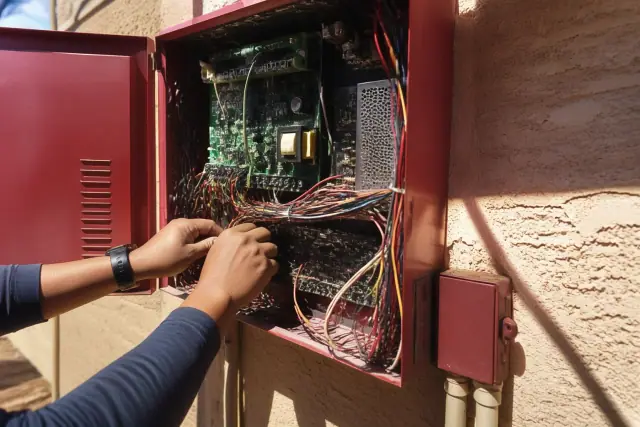
Technician working on multicolored wiring inside a fire alarm control panel in Phoenix, AZ.

We walk the property to inspect panels, devices, wiring, labels, obstructions, and visible damage. Findings are logged against the existing inspection record so the final report reflects the system's current field condition.

Request Estimate

Functional Device Testing

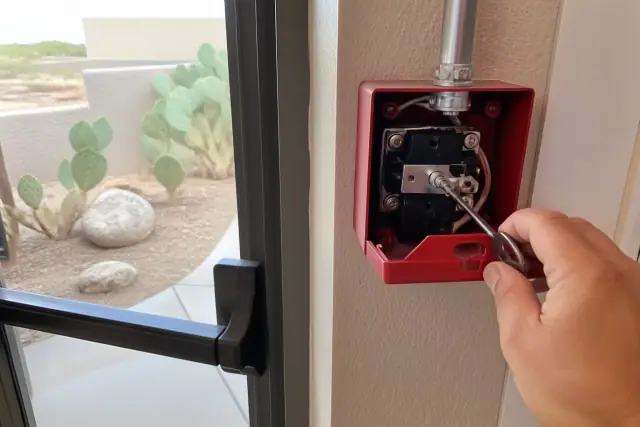
Technician inspecting a manual fire alarm pull station at a building entrance in Phoenix, AZ.

Every initiating device is activated, including smoke detectors, heat detectors, pull stations, and duct detectors. We confirm that each device reports correctly at the panel and produces the intended notification response.

Request Estimate

Battery & Power Supply Verification

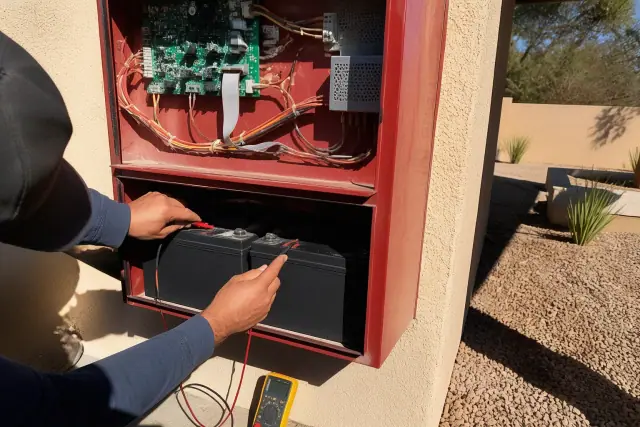
Technician replacing backup batteries in a fire alarm control panel during an inspection in Phoenix, AZ.

Standby batteries are load-tested under simulated power-loss conditions rather than judged only by their printed expiration date. This check is especially important in Phoenix because extreme heat can accelerate degradation before a battery shows an obvious trouble signal.

Request Estimate

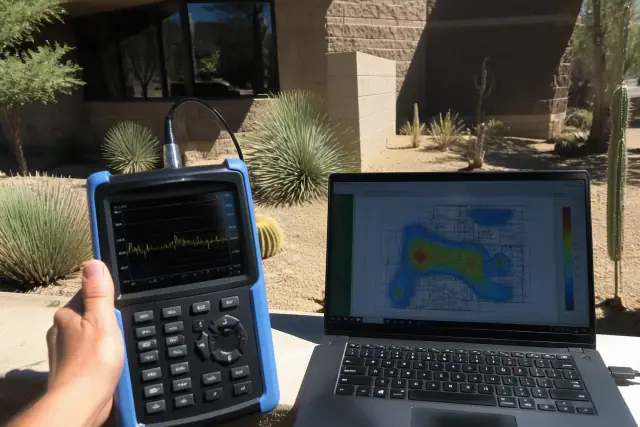
Wireless Signal Strength Testing

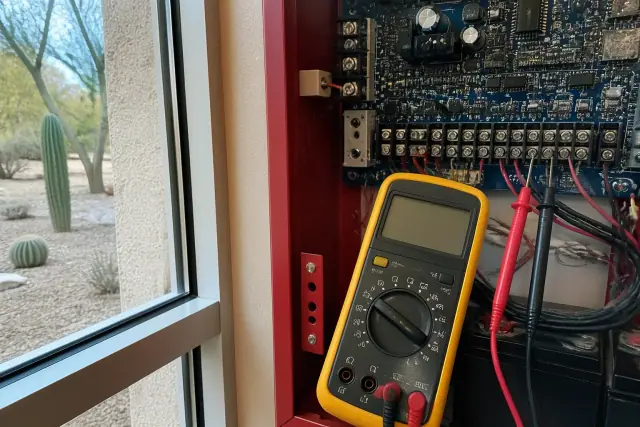
Technician using a handheld multimeter to test fire alarm system voltage in Phoenix, AZ.

For smart systems with wireless initiating devices, we verify signal strength at each installed location. The test checks whether stucco construction, metal roofing, or later building changes are interfering with the wireless mesh connection.

Request Estimate

Detector Sensitivity Testing & Cleaning

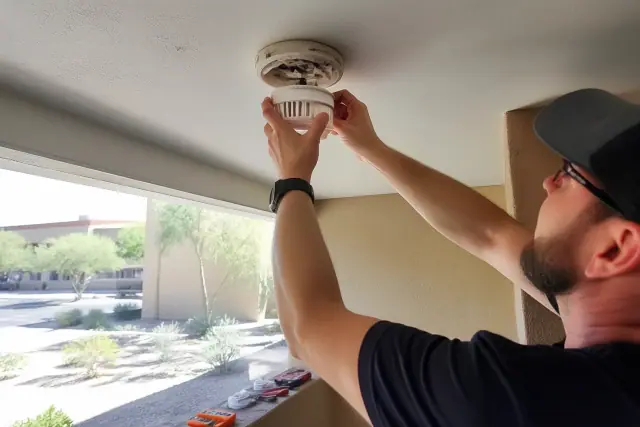
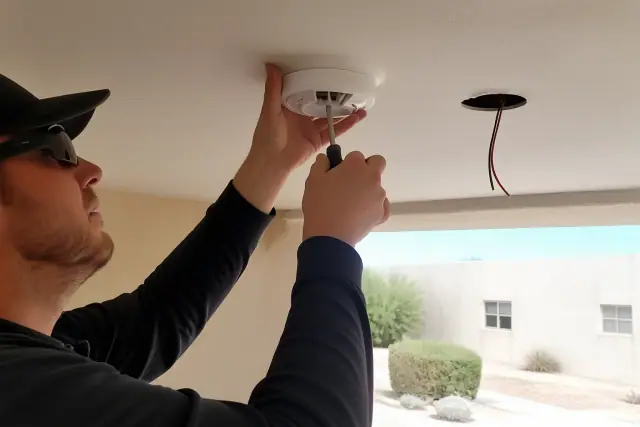
Technician installing a smoke detector on a commercial ceiling in Phoenix, AZ.

Smoke detectors are sensitivity-tested and cleaned according to the maintenance schedule, not only when the panel reports trouble. Removing dust from sensing chambers helps address both nuisance alarms and delayed detection.

Request Estimate

Compliance Reports & Deficiency Notices

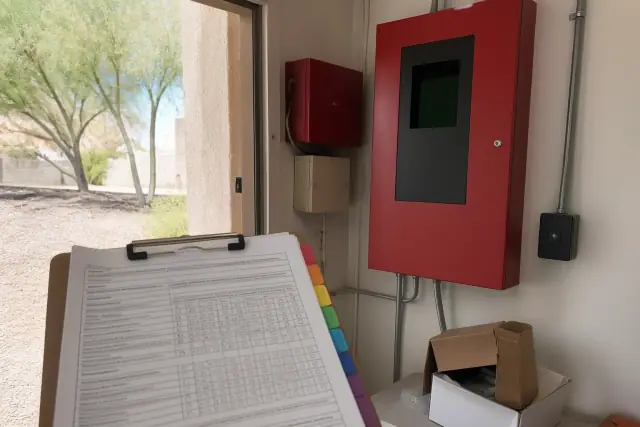
Inspection reports and deficiency notices beside an alarm panel in a Phoenix, AZ utility room with outdoor landscaping.

After testing, owners receive an inspection report, device-by-device results, and written notices for identified deficiencies. Once needed corrections are completed, the compliance report documents system status for property management, insurers, and Phoenix Fire Department review.

Request Estimate
Inspection Options

Testing by System & Occupancy

Inspection procedures change with panel technology, device communication, notification functions, and building use. We organize the test around the installed system and the occupancy-specific requirements that apply to the property.

Technician mounting a smoke detection sensor to a commercial ceiling junction box in Phoenix, AZ.

Conventional Fire Alarm Systems

Conventional panels group devices by zone, so testing must confirm field-device activation, zone reporting, and notification response throughout the property. Older buildings near Downtown Phoenix and in Encanto may also need close review of legacy panel condition.

  • Panel and zone response
  • Smoke and heat detector activation
  • Pull station and duct detector testing
  • Horn and strobe verification
  • Battery, wiring, and label checks
Request Estimate
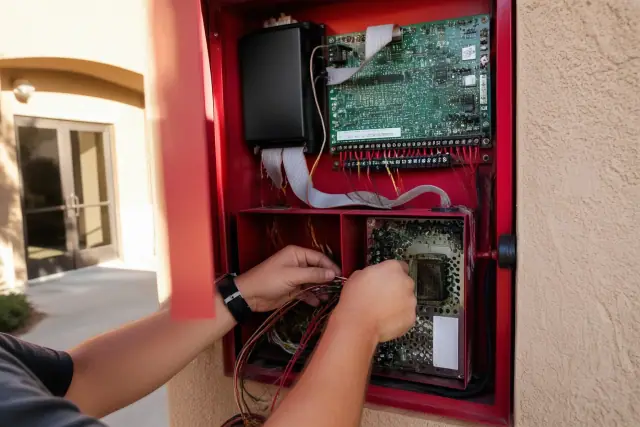
Technician wiring a fire alarm control panel cabinet inside a building in Phoenix, AZ.

Addressable Fire Alarm Systems

Addressable systems identify individual field devices at the panel, making device-by-device records central to the inspection. We also track panel firmware versions so communication updates can be planned during routine service rather than after a failure.

  • Individual device address confirmation
  • Smoke, heat, pull, and duct device tests
  • Control panel communication checks
  • Notification response verification
  • Firmware version tracking
Request Estimate
A technician installing a smoke detector on a commercial ceiling in Phoenix, AZ.

Smart & Wireless Fire Alarm Systems

Wireless initiating devices depend on reliable communication between each field location and the fire alarm panel. Signal testing reflects the building as it exists today, including materials and retrofits that may differ from the original design.

  • Device-by-device signal strength
  • Wireless mesh communication
  • Stucco interference conditions
  • Metal roofing interference
  • Post-retrofit coverage changes
Request Estimate
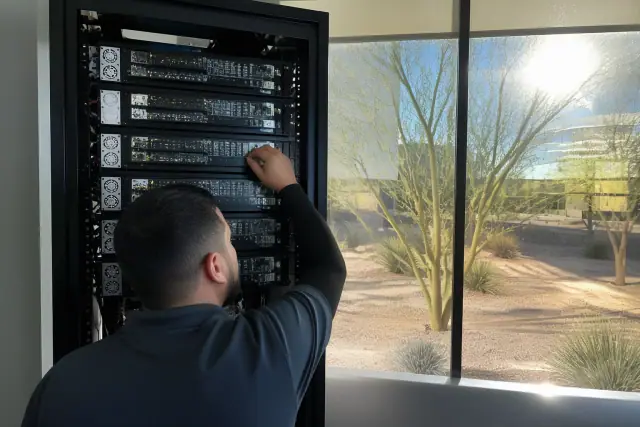
Technician inspecting voice evacuation amplifier cards in a server rack at a building in Phoenix, AZ.

Voice Evacuation & Mass Notification

High-rise, assembly, and other high-occupancy properties may rely on connected voice evacuation or mass notification functions. Testing confirms that initiating events reach the panel and produce the correct connected notification response.

  • High-rise voice evacuation functions
  • Assembly occupancy notification
  • Mass notification system interfaces
  • Correct panel response
  • Connected notification appliance checks
Request Estimate
Diagnostic multimeter testing voltage at a fire alarm system terminal block in Phoenix, AZ.

Occupancy-Based Inspection Programs

Occupancy classification affects device requirements, testing intervals, and whether voice evacuation is required. The inspection plan should match the actual use of the building rather than apply one generic checklist to every property.

  • Single-panel retail spaces
  • High-rise buildings
  • Assembly occupancies
  • Healthcare facilities
  • Hazardous and high-occupancy buildings
Request Estimate
Finding the Right Interval

Choosing the Right Inspection Schedule

Building age, device count, panel type, occupancy classification, and prior records all shape the inspection plan. Most commercial systems require annual testing at minimum, while smoke detectors, duct detectors, and certain notification devices may follow semiannual or quarterly schedules depending on occupancy.

NICET-Certified, Licensed Inspectors

Our technicians hold current NICET certifications specific to fire alarm inspection and testing. Phoenix Fire Alarm Systems maintains the appropriate Arizona Registrar of Contractors licensing at the company and technician level, along with general liability and errors and omissions coverage for life safety work.

Code-Aligned Documentation

Every inspection follows NFPA 72 device procedures and documentation requirements within the Phoenix Fire Code framework. Reports include device-level results and written deficiency notices that owners can keep ready for Phoenix Fire Department, property management, or insurance review.

Testing for Phoenix Conditions

Triple-digit summer heat, monsoon dust, and storm-related power fluctuations create local stress points for alarm equipment. We time preventive checks to catch weak battery banks, contaminated detectors, and outdoor notification-device issues before seasonal conditions expose them.

Qualified Local Testing

Why Choose Phoenix Fire Alarm Systems for Testing?

We combine NICET training, Arizona licensing, code-aligned procedures, and practical experience with conventional, addressable, wireless, voice evacuation, and mass notification equipment. You receive a written quote before work begins, followed by clear test results and a defined list of any deficiencies that need correction.

Request Inspection

Heat-Stressed Standby Batteries

Repeated heat cycling can corrode battery terminals and reduce standby capacity before the printed expiration date. A panel may appear normal while the battery bank is too weak to support the system during a power loss.

Dust-Packed Smoke Chambers

Dust from dry conditions and monsoon-season storms can collect inside smoke-sensing chambers. The buildup can contribute to false alarms or delayed detection, making sensitivity testing and scheduled cleaning important parts of preventive care.

Loose Conduit Connections

Thermal expansion in unconditioned mechanical rooms can loosen conduit connections over time. A visual walkthrough helps identify these physical changes alongside damaged wiring, obstructions, and labeling problems.

Aging Conventional Panels

Legacy conventional panels in older Phoenix buildings can pass the 15-year mark at which components are considered beyond their technological life expectancy. Inspection records and field testing help owners understand current condition before a failure forces replacement.

Incomplete Inspection Records

NFPA guidance requires inspection records to be maintained for no less than three years. Missing reports, device results, or deficiency notices can leave owners scrambling when the Phoenix Fire Department requests documentation during an occupancy review.

Missed Testing Intervals

A missed annual or interim testing cycle can leave an expired inspection status and undocumented deficiencies. It may also put occupancy approval and insurance standing at risk until the system is tested and corrections are documented.

How It Works

Our Fire Alarm Inspection Process

A complete inspection moves from records and physical condition to device activation, notification response, power verification, and reporting. Each step builds a traceable system record rather than relying on a single panel status check.

01.

Review Records & Define Scope

We review available inspection records, identify the panel and device types, and account for occupancy classification and connected notification functions. This establishes the device list and procedures for the visit.

02.

Complete the Visual Walkthrough

Technicians inspect panels, devices, wiring, labels, and access conditions throughout the building. Physical damage, obstruction, dust buildup, and loose connections are documented before functional activation begins.

03.

Activate Every Initiating Device

Smoke detectors, heat detectors, pull stations, and duct detectors are activated individually. The technician confirms that each device sends the expected signal and is identified correctly at the control panel.

04.

Verify Notification Responses

The test confirms the proper response from horns, strobes, and any connected voice evacuation or mass notification functions. This step checks the response chain from initiating device through the panel to occupant notification.

05.

Test Backup Power & Wireless Signals

Standby batteries are load-tested under simulated power loss, and power-supply condition is recorded. For wireless devices, signal strength is verified at each location against the building's current materials and layout.

06.

Document Results & Deficiencies

We provide the inspection report, device-by-device test results, and written deficiency notices after the visit. Once identified corrections are completed, the compliance report records the system's current status for the owner and reviewing authorities.

Protect Your Building

Schedule a Fire Alarm
Inspection &
Testing

Tell us about your building, installed panel, device count, and inspection history. Phoenix Fire Alarm Systems will provide a written quote before work begins and organize the visit around your system and occupancy requirements.

Inspection & Compliance Help

Fire Alarm Inspection & Testing FAQs

These answers cover Phoenix inspection standards, testing intervals, system costs, documentation, and common device questions. Call if you need help matching the scope to your building's panel, device count, or occupancy classification.

Call About Inspection

NFPA 72, the National Fire Alarm and Signaling Code, sets testing frequency, device procedures, and documentation requirements. Phoenix applies those national procedures through the Phoenix Fire Code, so inspections must also fit local enforcement and occupancy requirements.

Most commercial systems require testing at least annually. Smoke detectors, duct detectors, and certain notification devices may require more frequent semiannual or quarterly testing depending on the occupancy type and applicable schedule.

The visit includes a visual walkthrough of panels, devices, wiring, labels, and access conditions. Technicians then activate initiating devices, verify panel and notification responses, load-test standby batteries, check wireless signal strength where applicable, and document results.

A small commercial building with a basic conventional system typically runs between $300 and $1,000 per year. Buildings from 15,000 to 50,000 square feet with 150 to 500 devices generally run $3,500 to $8,000 annually, or roughly $18 to $25 per device. Extra-large facilities over 50,000 square feet with 500 or more devices typically run $7,000 to $15,000 or more, with the written quote shaped by building age, device count, and system type.

NFPA guidelines require inspection records to be maintained for no less than three years. Keep the inspection report, device-by-device results, deficiency notices, and follow-up documentation available for fire marshal, property management, and insurance review.

Common findings include corroded battery terminals from heat cycling, dust-packed smoke chambers after monsoon-season storms, and conduit connections loosened by thermal expansion. Older properties may also have legacy conventional panels whose components are beyond their technological life expectancy.

A load test checks whether the battery bank can support the alarm system under simulated power-loss conditions. Phoenix heat can accelerate degradation ahead of the printed expiration date, so visual condition or a normal panel display is not enough.

Yes, wireless initiating devices should be checked at each installed location. Stucco construction, metal roofing, and building retrofits can change mesh communication conditions after the original design.

Verify the contractor's Arizona Registrar of Contractors license, the inspecting technician's NICET certification for fire alarm systems, and appropriate liability coverage. Phoenix Fire Alarm Systems provides its license information, technician certification, and insurance documentation for review.

Residential requirements generally call for a smoke detector in every bedroom, outside each separate sleeping area, and on every level of the home, including basements. Commercial device counts depend on square footage, ceiling height, occupancy classification, and the adopted fire code, so placement should be calculated for the specific building.

Each deficiency is identified in writing so the owner knows what needs correction. After repairs are completed and the affected functions are verified, the compliance report can document the system's current status for property management, insurers, and Phoenix Fire Department review.

Certain high-occupancy or hazardous-occupancy buildings require monthly or quarterly checks between full annual tests. A maintenance plan may also include seasonal battery checks before monsoon conditions, detector cleaning and sensitivity testing, and addressable-panel firmware management.

Phoenix Fire Alarm Systems provides inspection and testing throughout Phoenix and the surrounding metro. The stated service area includes Mesa, Chandler, Scottsdale, Tempe, and Glendale.