Proudly serving Phoenix, Mesa, Glendale, Scottsdale, Tempe, Chandler & surrounding areasCall or Text 24/7: 602-449-8143
Aerial view of residential neighborhoods, desert washes, and low-rise buildings in Phoenix, AZ.

Fire Alarm Repair & Troubleshooting: Panel Faults, Wiring & Detector Issues in Phoenix, AZ

Phoenix Fire Alarm Systems repairs and troubleshoots conventional, addressable, smart, and wireless fire alarm systems throughout Phoenix. Our licensed technicians diagnose panel trouble signals, nuisance alarms, monitoring dropouts, and detector or wiring faults before recommending a repair. We also provide testing, maintenance, panel service, system upgrades, monitoring, and voice evacuation support for residential and commercial properties. From Central Avenue restaurants to warehouses near Sky Harbor and offices in Midtown, we support fire alarm systems across the metro area.

Phoenix summers can push building interiors past 100 degrees for weeks, while fine Salt River Valley dust reaches detector chambers and panel enclosures year-round. Monsoon moisture and power surges add corrosion, resets, and intermittent faults from Downtown Phoenix to the Camelback Corridor. Root-cause troubleshooting helps restore protection without wasting time or money on components that are still serviceable.

Technicians troubleshoot against NFPA 72 requirements using panel history logs, detector test kits, multimeters, and panel diagnostic software, then document repairs for Phoenix Fire Department and Arizona State Fire Marshal's Office requirements.

Phoenix Fire Alarm Systems provides fire alarm repair and troubleshooting in Phoenix, Scottsdale, Tempe, Mesa, Chandler, Glendale, and the broader Phoenix metro area.

★ ★ ★ ★ ★4.9/5 Average Rating · 20+ Years of Experience · Thousands of Customers Helped · Licensed & Insured · Residential & Commercial

Fire Alarm Repair Options & Benefits

What Is Fire Alarm Repair & Troubleshooting?

Fire alarm repair restores a system after a panel, detector, circuit, power supply, notification device, or monitoring connection develops a fault. Troubleshooting is the diagnostic work that identifies the exact cause before a component is cleaned, adjusted, reprogrammed, repaired, or replaced.

We work with conventional, addressable, smart, and wireless systems in settings ranging from a 1960s Arcadia bungalow to multi-building commercial campuses. Panel history, the affected zone or device, field wiring, and backup power all help narrow a trouble signal to its source.

A systematic diagnosis can turn what appears to be an all-day callback into a five-minute fix when the cause is a loose connection or contaminated detector. When the fault is more extensive, the same process produces a focused repair scope instead of trial-and-error parts replacement.

Benefits of Professional Fire Alarm Repair

Focused diagnostics help restore reliable operation, support inspection readiness, and protect useful system components from unnecessary replacement. The repair plan follows the actual fault and the property's system type, occupancy, and operating needs.

  • Root-cause diagnosis before parts are replaced
  • Targeted repairs for panels, devices, wiring, and power supplies
  • Fewer nuisance alarms and repeated trouble signals
  • Testing and records aligned with NFPA 72 intervals
  • Reliable existing wiring and devices retained where possible
  • Corrections for dust, heat, moisture, and power-surge effects
  • Monitoring, battery, and notification issues checked together
  • Clear repair scope and cost breakdown before work begins
Repair & Troubleshooting Services

Phoenix Fire Alarm Repair Services

Repair needs range from an intermittent detector chirp to a fully disabled panel or monitoring dropout. We match the response to the fault, then test the corrected system so the repaired devices, circuits, and signals work together.

Emergency Fire Alarm Repair

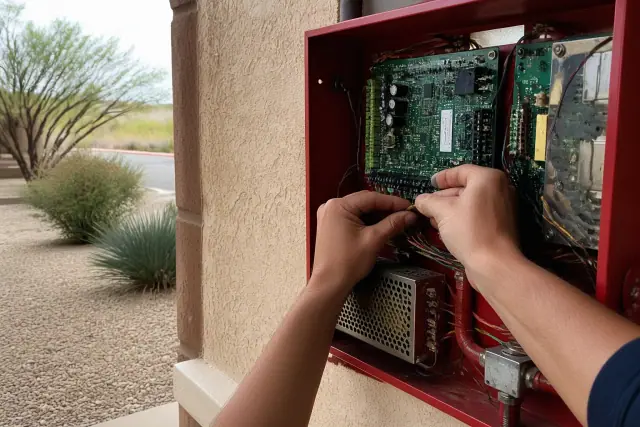
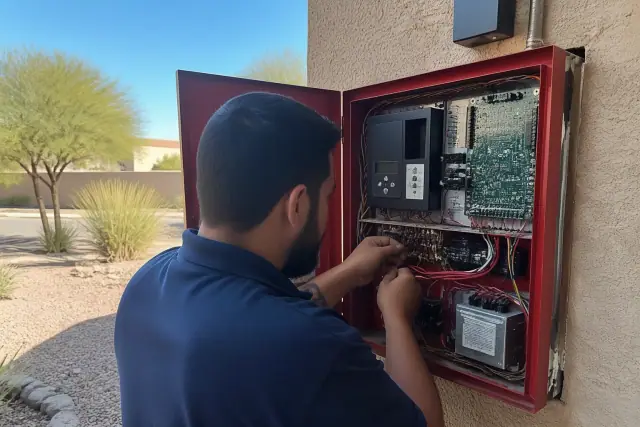
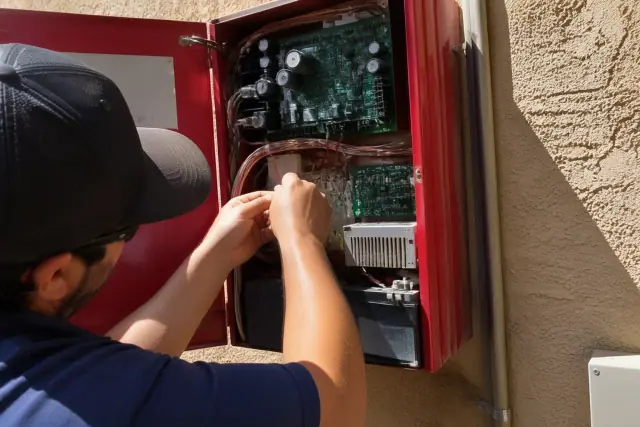
Technician hands wiring a fire alarm control panel cabinet on a stucco wall in Phoenix, AZ.

Our 24/7 service prioritizes disabled panels, systems stuck in alarm, and monitoring dropouts. Critical failures may receive same-day attention so a building is not left without working protection longer than necessary.

Request Estimate

Fire Alarm Troubleshooting

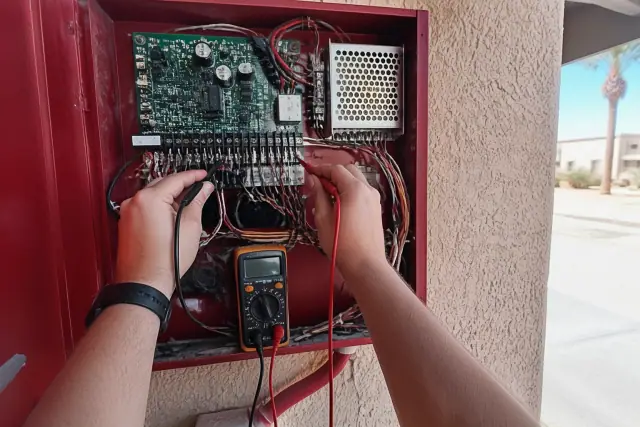
Technician troubleshooting a fire alarm control panel with a multimeter on a jobsite in Phoenix, AZ.

We start with the panel history, cross-reference the affected zone or device, and inspect field wiring and power before changing settings. That sequence isolates ground faults, bad detectors, chafed wire, corroded connections, and failing power supplies.

Request Estimate

System Testing & Inspections

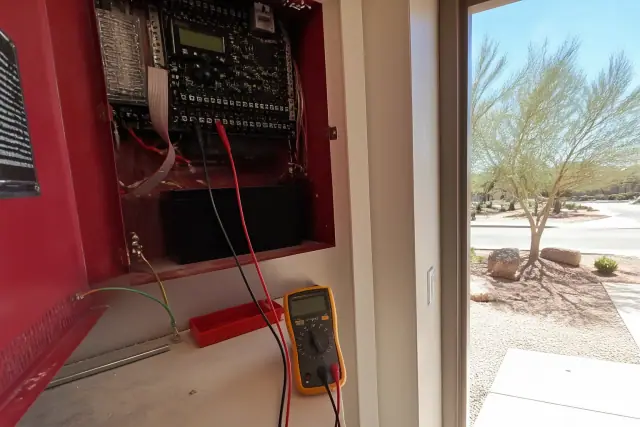
Multimeter testing a fire alarm terminal block during maintenance in a Phoenix, AZ office.

We test detectors, notification appliances, control equipment, and critical battery functions on the schedule required for the property. Signed reports support Phoenix Fire Department and Arizona State Fire Marshal's Office recordkeeping and the next inspection cycle.

Request Estimate

Panel Repair & Replacement

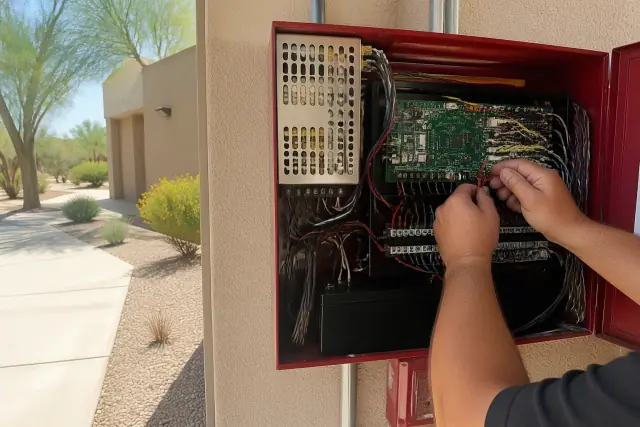
Technician wiring a fire alarm control panel inside a building in Phoenix, AZ.

Panel service covers component faults, incorrect programming, obsolete equipment, and upgrade planning. When replacement is the practical choice, we evaluate which existing wires and devices can communicate reliably with a current addressable or hybrid platform.

Request Estimate

Detector Cleaning & Recalibration

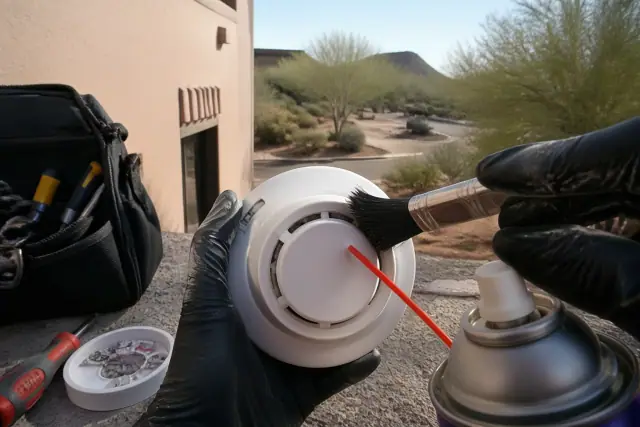
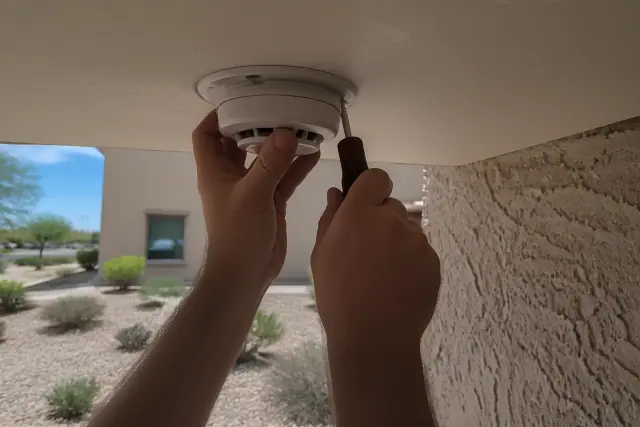
Technician cleaning and recalibrating a smoke detector sensor on a ceiling in Phoenix, AZ.

Dust-loaded smoke chambers and heat detectors affected by grease or temperature swings receive condition-based service. We clean sensing chambers and recalibrate sensitivity when those steps resolve the fault instead of defaulting to full detector replacement.

Request Estimate

Voice Evacuation Repair & Upgrades

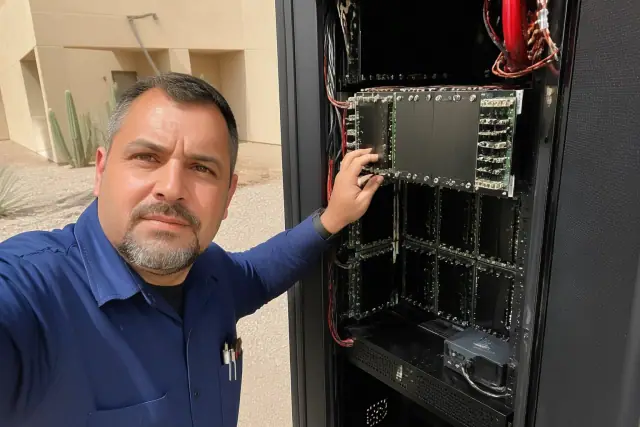
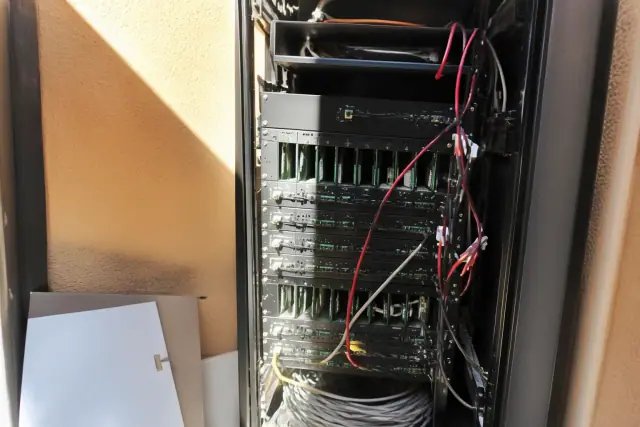
Technician inspecting modular amplifier cards in a fire alarm rack at a job site in Phoenix, AZ.

We repair and integrate voice evacuation and mass notification systems that deliver spoken instructions through the fire alarm control sequence. Older horn-and-strobe layouts may be upgraded while retaining a usable notification wiring backbone, followed by audibility and intelligibility testing.

Request Estimate
Systems We Service

Fire Alarm System Support Options

Fault reporting, building layout, occupancy, device count, and existing infrastructure shape the right repair approach. Our troubleshooting covers the system categories and property types described below.

Technician wiring a fire alarm control panel at a jobsite in Phoenix, AZ.

Conventional Fire Alarm Systems

Conventional systems report trouble at the zone level, so field inspection is essential for finding the individual device or circuit at fault. They remain common in smaller buildings and straightforward layouts.

  • Zone-level fault reporting
  • Suited to smaller buildings and simple layouts
  • Panel history and affected-zone review
  • Physical checks of devices, wiring, and power
  • Reliable existing infrastructure retained when practical
Request Estimate
Technician wiring a fire alarm control panel cabinet on a stucco wall in Phoenix, AZ.

Addressable Fire Alarm Systems

Addressable systems identify the specific device reporting a fault, which speeds diagnosis in commercial and multi-building systems. Panel software and device-level history help distinguish programming issues from wiring or hardware failures.

  • Device-specific fault reporting
  • Well suited to commercial and multi-building properties
  • Panel diagnostic software supports fault isolation
  • Programming checked for zone and notification behavior
  • Addressable and hybrid upgrade paths available
Request Estimate
A technician installs a smoke detector on a ceiling junction box at a jobsite in Phoenix, AZ.

Wireless Fire Alarm Systems

Wireless systems provide device-specific reporting and can fit retrofit projects or historic structures where extensive new wiring is impractical. We use device and panel information to isolate communication, power, and hardware issues.

  • Device-specific fault reporting
  • Useful for retrofit projects
  • Applicable to historic structures
  • Communication and power conditions checked
  • Faulty devices identified before replacement
Request Estimate
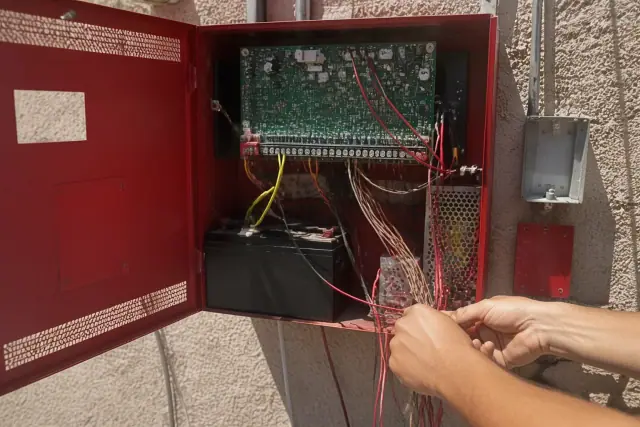
Technician repairing wiring inside a commercial fire alarm control panel on a stucco wall in Phoenix, AZ.

Commercial Fire Alarm Systems

Commercial systems require troubleshooting that accounts for device count, occupancy, and scale across offices, apartments, industrial sites, and multi-building campuses. Service planning also considers operating schedules and documentation needs.

  • Office, apartment, and industrial system support
  • Multi-building fault isolation
  • Monthly functional checks for critical devices when required
  • Hotel and school testing coordinated around occupancy
  • Monitoring and system-health conditions reviewed
Request Estimate
Modular amplifier cards and wiring in a server rack for a fire alarm voice evacuation system in Phoenix, AZ.

Voice Evacuation Systems

Voice evacuation and mass notification systems provide clear spoken instructions rather than a generic horn. Repair and upgrade work checks panel integration, notification sequencing, audibility, and intelligibility across occupied spaces.

  • Spoken emergency instructions
  • Panel-triggered notification integration
  • Support for schools, hotels, and high-occupancy buildings
  • Existing notification wiring reused when suitable
  • Audibility and intelligibility testing
Request Estimate
Finding the Root Cause

Choosing the Right Fire Alarm Repair Approach

Across Phoenix's 517.9 square miles, the right repair depends on the system type, fault history, building use, device condition, and availability of compatible parts. We diagnose before deciding whether cleaning, adjustment, reprogramming, component repair, selective replacement, or a broader upgrade is warranted.

Standards-Aligned Licensed Technicians

Technicians hold Arizona Registrar of Contractors licensing and NICET-track training, troubleshoot against NFPA 72 requirements, and receive manufacturer training on panel brands common in the Phoenix market.

Diagnostic Tools, Not Guesswork

Smoke and heat detector test kits, multimeters, panel history logs, and diagnostic software help confirm a fault. This evidence-based process limits trial-and-error replacement and keeps the repair focused on the actual failure.

Inspection-Ready Repair Documentation

Repair and test records are documented against Phoenix Fire Department and Arizona State Fire Marshal's Office requirements. Before a scheduled inspection, prior records and system as-builts can be reviewed so known deficiencies are addressed.

What Sets Us Apart

Why Choose Us for Fire Alarm Repair?

Phoenix fire alarm faults often reflect a mix of equipment condition and local heat, dust, moisture, or surge exposure. Our process connects field diagnostics, code-focused testing, practical repair decisions, and complete records so property owners and managers understand what failed and what was corrected.

Request a Repair Assessment

Panel Trouble Signals & Offline Zones

A persistent trouble light, a zone that drops offline, or a system stuck in alarm points to an active fault. We review the panel history and affected circuit before resetting or changing settings.

Dust-Contaminated Smoke Detectors

Fine desert dust can load a sensing chamber until a detector chirps, reports trouble, or triggers without smoke present. Restaurant and warehouse detectors are also exposed to grease, debris, and changing air conditions.

Ground Faults & Damaged Wiring

Damaged insulation, rodent-chewed cable, loose detector bases, and conduit corrosion can produce intermittent ground faults. Older Phoenix properties may still have original 1970s and 1980s wiring that requires careful circuit-by-circuit inspection.

Backup Battery Failures

A depleted backup battery commonly causes intermittent beeping or a low-power trouble signal. We test battery condition and replace it according to the interval specified for the panel model.

False Alarms from Local Conditions

Dust, steam, insects, construction debris, electrical interference, and monsoon power surges can all trigger unexpected alarms. Correcting placement or sensitivity, cleaning a chamber, or choosing a suitable detector type can address the cause and reduce downtime or false-alarm fines.

Outdated or Misprogrammed Panels

Obsolete parts can make an aging panel costly to repair, while incorrect programming can cause false alarms or delayed notification. We compare repair feasibility with a current addressable or hybrid replacement and preserve compatible infrastructure where possible.

How It Works

Our Fire Alarm Troubleshooting Process

The process moves from evidence to confirmation before repair. Each step narrows the fault, protects serviceable components, and creates a clear record of the work completed.

01.

Review Panel History

We begin with the control panel's current display and event history to identify recurring codes, timestamps, and system changes tied to the reported problem.

02.

Trace the Affected Zone or Device

Panel information is cross-referenced with the affected zone on a conventional system or the exact reporting device on an addressable or wireless system.

03.

Inspect Devices, Wiring & Power

Technicians physically inspect detector chambers, bases, field wiring, conduit connections, backup batteries, and power supplies for contamination, damage, corrosion, or looseness.

04.

Test and Confirm the Root Cause

Detector test kits, multimeters, and panel diagnostic software are used as appropriate to reproduce the fault and confirm which component, circuit, or setting is responsible.

05.

Repair, Clean, or Reconfigure

The confirmed issue is corrected through cleaning, sensitivity adjustment, wiring repair, battery or component replacement, panel programming, or an upgrade when obsolete parts make repair impractical.

06.

Verify Operation & Document

We retest the repaired device or circuit, confirm panel and monitoring behavior, and document the result for the property's records and next inspection cycle.

Restore Reliable Protection

Schedule Fire Alarm
Repair & Troubleshooting
Service

If a panel is beeping, a zone is offline, or a detector keeps triggering, request a diagnostic visit before repeated resets hide a developing fault. We will identify the cause, explain the repair-versus-replace options, and provide a clear scope and cost breakdown before work begins.

Fire Alarm Repair Help

Fire Alarm Repair FAQs

These answers cover common Phoenix fire alarm faults, service intervals, repair costs, system life, diagnostics, and inspection records. For an active trouble signal or recurring false alarm, a field diagnosis is the safest way to identify the specific cause.

Call Our Experts

A ground fault caused by damaged or corroded wiring insulation is one of the most common faults we see, often appearing as an intermittent panel trouble signal. Dust-contaminated smoke detectors, depleted backup batteries, and loose detector-base connections are also frequent causes in Phoenix. We trace the signal through panel history and physical inspection before making a repair.

NFPA 72 requires most devices to be tested annually at minimum, while certain notification appliances and battery systems need more frequent checks. Hospitals, hotels, and other higher-occupancy properties may use quarterly or monthly schedules for critical components. The testing calendar should match the occupancy and the requirements applied to the property.

Warning signs include a panel trouble light that stays on, repeated chirping with no smoke or heat present, delayed response during testing, or a monitoring signal that drops intermittently. A fault that clears and returns also needs attention. Repeated resets can hide a developing issue, so troubleshooting is preferable to repeatedly silencing the panel.

Call a licensed fire alarm service provider rather than disabling the detector. Repeated triggering may come from dust, humidity, placement, wiring, or a panel-level fault, and the source should be diagnosed before a fix is recommended. Disabling the device leaves the area unprotected and can violate local fire code.

Cost depends on whether the problem involves one detector, damaged wiring, a power component, or the control panel. Detector-level work generally costs less than panel-board replacement or extensive wiring correction, while obsolete parts can increase repair cost. We diagnose first and provide a clear scope and cost breakdown before repair work begins.

Dust and debris in a sensing chamber, steam, insects, construction activity, and electrical interference are common triggers. Phoenix monsoon power surges can also cause false signals or panel resets, and aging detectors become more prone to false triggering. Inspection of the detector and its surroundings identifies which condition applies.

A well-maintained system typically lasts 15 to 20 years, while a neglected system may develop major reliability problems within just a few years. Detectors generally need replacement around the 10-year mark because their sensing elements degrade. Panels, wiring, and notification devices may be maintained or selectively upgraded after their age and condition are assessed.

We troubleshoot conventional, addressable, smart, and wireless fire alarm systems. Conventional systems report at the zone level, while addressable and wireless systems can identify a specific device. The diagnostic approach follows the reporting method, system history, field wiring, and power conditions.

The technician reviews panel history, cross-references the affected zone or device, and physically checks the device, wiring, and power supply. Testing then confirms the root cause before settings or components are changed. After repair, the affected system functions are retested and documented.

Existing wiring and devices may be reused when inspection and testing show they are reliable and compatible with the replacement panel. Components that cannot communicate correctly with a current addressable or hybrid platform need to be replaced. The goal is to control replacement cost without retaining an unreliable part of the system.

Depending on the fault, technicians use smoke and heat detector test kits, multimeters, panel history logs, and panel diagnostic software. These tools help distinguish contamination, wiring damage, power problems, hardware failure, and incorrect programming instead of relying on parts replacement by trial and error.

Testing produces a signed report that records the devices and results for the next inspection cycle. Repair documentation is prepared against Phoenix Fire Department and Arizona State Fire Marshal's Office requirements, and prior test records and system as-builts can be reviewed before a scheduled inspection.

Phoenix Fire Alarm Systems provides repair, troubleshooting, and full-system support throughout Phoenix, Scottsdale, Tempe, Mesa, Chandler, and Glendale. Service also extends across the broader Phoenix metro area, including properties toward the West Valley.